

Living in East Tampa: An Honest Look at Safety, Neighborhoods, and What to Expect
 0
0
 0
0
If you’re thinking about moving to east Tampa, you’ve probably already searched the crime maps and come away with more questions than answers. Statistics tell part of the story, but they rarely tell you which blocks feel fine to walk at night, which pockets are improving fast, or what longtime residents actually think about day-to-day life. I’ve spent real time in this part of the city, and I’ll give you the straightforward assessment you’re looking for.
The Overall Safety Picture
East Tampa covers a wide geographic area, and lumping it all together does a disservice to anyone trying to make a real decision. Parts of east Tampa carry higher crime rates than the Tampa city average, particularly for property crime. The FBI’s Uniform Crime Data and Tampa PD’s own crime mapping tool both show concentrated hot spots rather than a blanket danger zone across the entire corridor.
The honest takeaway is this: your specific block matters more than the zip code. A street in Brandon-adjacent east Tampa feels nothing like a block closer to the 40th Street corridor. If you’re evaluating a specific address, spend time there on a weekday afternoon and again on a Friday night. What you observe on the ground will tell you more than any aggregate statistic.
Neighborhood Breakdown: Where You Land Matters
Here’s a simplified comparison of several east Tampa areas that people commonly ask about:
| Area | General Vibe | Crime Level (Relative to City Avg) | Trend |
|---|---|---|---|
| Progress Village | Working-class residential | Above average | Slowly improving |
| East Lake-Orient Park | Mixed residential, some commercial | Moderate | Stable |
| Palm River-Clair Mel | Quiet suburban pockets | Moderate | Improving |
| 40th Street Corridor | Urban, higher foot traffic | Above average | Active redevelopment |
| Gibsonton border area | Suburban fringe | Below average | Stable |
The 40th Street corridor gets the most attention in safety conversations. Property crimes, including car break-ins and package theft, run higher there than in the Palm River area a few miles south. That said, the city has invested in streetscape improvements along parts of the corridor, and new businesses are filling long-vacant lots. Areas in active redevelopment phases tend to see crime tick downward within two to three years of sustained investment.
What the Numbers Actually Mean for Daily Life
Crime statistics measure incidents per 1,000 residents. A neighborhood with 800 people and 10 incidents can look terrible on paper while feeling perfectly calm to live in. Context is everything.
For east Tampa broadly, violent crime is more concentrated around specific intersections and commercial strips than spread evenly through residential streets. Home invasions and armed robbery make the news, but they’re geographically clustered. Property crime, especially vehicle theft and catalytic converter theft, is the more common daily concern for residents across the area.
My recommendation: run the Tampa PD crime map for your exact address using a 0.25-mile radius and look at a 90-day window. That’s the most honest, current picture you’ll get.
Practical Safety Habits Residents Use
Longtime east Tampa residents have learned to layer a few habits into their routines that reduce exposure significantly. These are real practices, pulled from conversations with people who’ve lived there for years.
- Park in a well-lit, visible spot or a secured garage if available. Catalytic converter theft spikes in unlit areas.
- Join the Nextdoor or Facebook groups for your specific neighborhood. Hyperlocal alerts come faster than any news outlet.
- Build rapport with your immediate neighbors within the first few weeks of moving in. A connected block is a safer block.
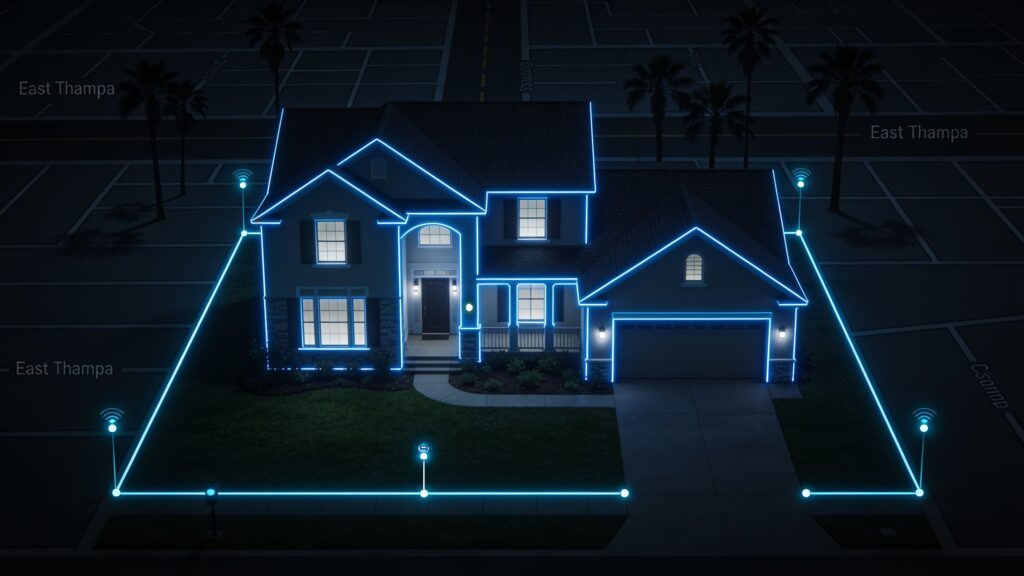
- Invest in a doorbell camera. East Tampa property crime rates drop meaningfully for homes with visible exterior cameras.
- Report non-emergency issues to Tampa PD’s non-emergency line rather than letting them accumulate. Consistent reporting shapes where patrol resources go.
None of these are complicated. They’re the kind of baseline awareness that makes a measurable difference in any urban neighborhood.
Signs of a Block Worth Betting On
When I walk a neighborhood to assess it, I look at specific physical and social signals rather than just the crime map.
Maintained yards and painted fences suggest residents take ownership. Visible community gardens, block party signs, or neighborhood watch placards show organized social ties. New construction or active renovation on even one or two properties signals that investors believe in upward momentum. Businesses with extended evening hours reflect confidence in foot traffic and customer safety.
East Tampa has several pockets with all of these indicators right now. Progress Village has a neighborhood association that has pushed the city for years on code enforcement and lighting upgrades, and those efforts are showing results. Palm River has seen a steady influx of younger families buying homes and fixing them up. These are real signals.
The Trajectory Matters as Much as the Snapshot
Tampa’s overall growth is putting pressure on east Tampa in a positive way. As home prices in South Tampa, Seminole Heights, and Ybor City push buyers further east, demand for east Tampa properties rises. Higher demand brings renovation, which brings retail, which brings foot traffic, which correlates with lower property crime over time.
This isn’t wishful thinking. It’s the same cycle that transformed parts of Seminole Heights from a high-crime area into a sought-after neighborhood over about a decade. East Tampa is on an earlier part of that curve. If you’re buying, you’re likely ahead of the wave. If you’re renting and concerned about safety right now, choose your specific street carefully and plan for the neighborhood to look different in five years.

Key Takeaways
East Tampa is a large, varied area with real safety disparities between its neighborhoods. Crime is real and concentrated, but it’s also mappable, manageable, and trending better in several pockets. Your address, your habits, and your community connections will determine your daily experience far more than the zip code will.
Check the Tampa PD crime map for your specific block. Visit the area at multiple times of day before signing a lease or a contract. Talk to people who already live there. That combination of research will give you a far more accurate read than any single crime score.
If you have questions about a specific east Tampa neighborhood or address, drop them in the comments below. Local knowledge shared between residents is the most useful resource anyone can have.