The Real Difference Between Tampa and Tampa Bay Beaches
 0
0
 0
0
If you ask a local where to find the best beach near Tampa, you will get a different answer depending on who you ask. That confusion is completely understandable, because “Tampa beaches” and “Tampa Bay beaches” are two phrases people use interchangeably, yet they describe very different experiences. Get this wrong, and you could spend your vacation staring at murky bay water when you expected white Gulf sand, or drive past a dozen perfectly good spots because you were searching in the wrong place.
Here is exactly what sets them apart.
Tampa City Itself Has No Gulf Beaches
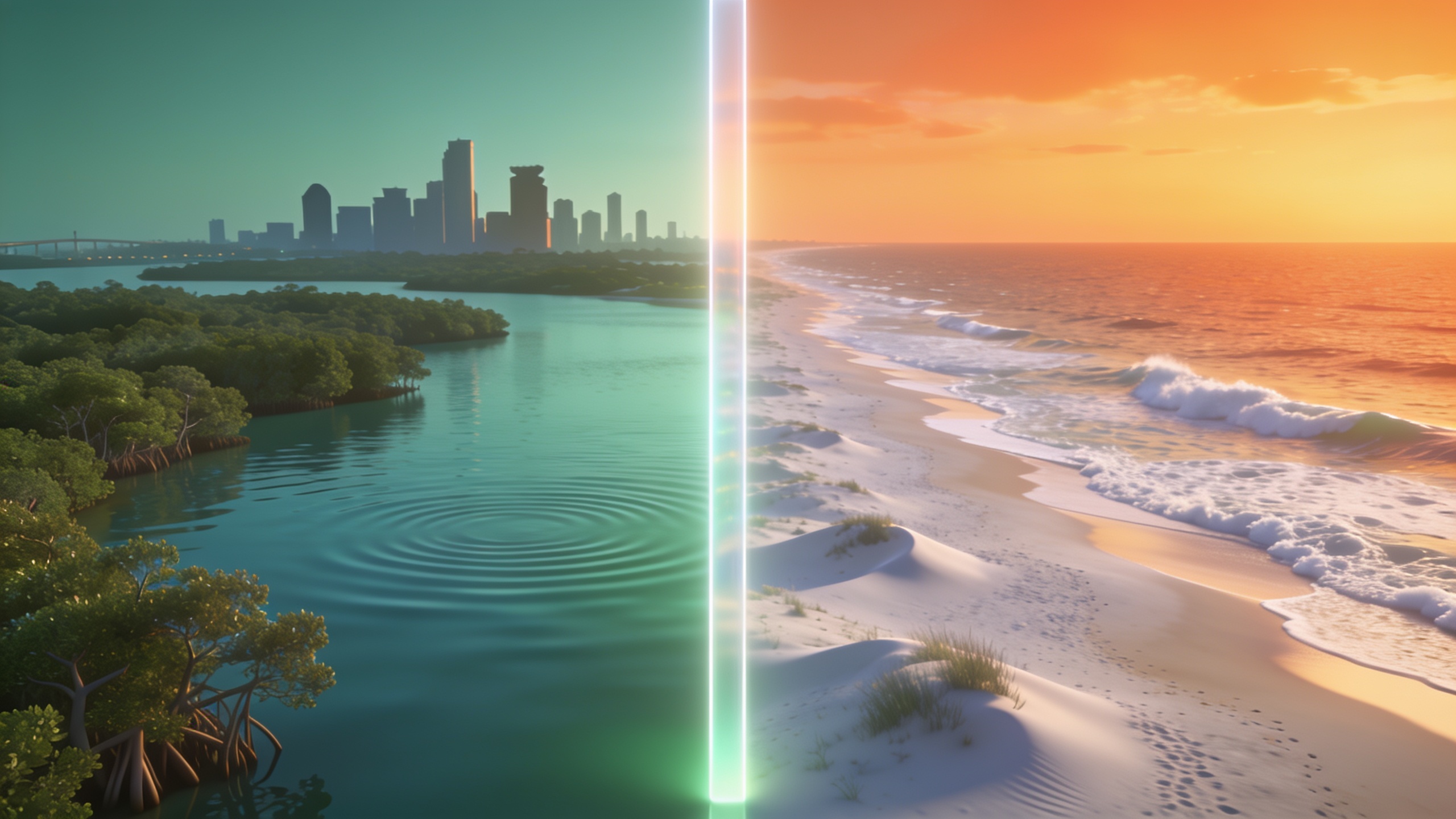
This surprises a lot of visitors. Tampa is a major city on the eastern shore of Tampa Bay, an inland estuary connected to the Gulf of Mexico. The city proper sits on that bay shoreline, which means its waterfront is calm, brownish, and not set up for typical beach swimming.
Bayshore Boulevard, the famous 4.5-mile waterfront promenade in Tampa, is stunning for a morning run or a sunset walk. But it is a seawall, not a beach. You walk above the water, and the bay laps against concrete and rip-rap below you. It is a great urban amenity and a terrible place to lay out a towel.
So when someone says “Tampa beach,” they almost always mean the beaches accessible from Tampa, which requires crossing one of several causeways to reach barrier islands on the Gulf side.
What “Tampa Bay Beaches” Actually Means
Tampa Bay, as a geographic term, refers to the estuarine bay itself, bordered by Tampa, St. Petersburg, and Clearwater. But “Tampa Bay beaches” in common usage has become shorthand for the collection of Gulf-facing beaches on the barrier islands west of the bay.
These barrier islands stretch from Honeymoon Island in the north down through Clearwater Beach, Sand Key, Indian Rocks Beach, Madeira Beach, Treasure Island, St. Pete Beach, and Pass-a-Grille at the southern tip. Each has its own character, price point, and crowd level. Together, they form one of the most visited beach corridors in the country.
The water on this Gulf side is warm, clear, and shallow for a good distance out, which makes it ideal for families. The sand is fine, white, and powdery because it is composed largely of quartz that washed down from the Appalachians over thousands of years.
A Quick Comparison of the Key Differences
| Feature | Tampa City Waterfront | Tampa Bay (Gulf) Beaches |
|---|---|---|
| Water type | Estuarine bay | Gulf of Mexico |
| Water clarity | Murky to brown | Clear, turquoise |
| Sand quality | Limited, coarse | Fine, white powdery |
| Swimming | Minimal, not recommended | Excellent, calm waves |
| Distance from downtown Tampa | 0 miles | 30 to 60 minutes by car |
| Parking | Easy, urban | Varies, often paid |
| Best for | Dining, nightlife, events | Swimming, sunbathing, fishing |
The Best Gulf Beaches to Target
Each barrier island beach has a personality. Matching that personality to what you want is how you get a great trip.
Clearwater Beach is the most visited and the most developed. It has a proper beach town strip with restaurants, hotels, and nightlife. Pier 60 runs a nightly Sunsets at Pier 60 festival with street performers and artisans. Expect crowds on weekends and during school breaks.
St. Pete Beach is a calmer, more laid-back alternative. It has the historic Don CeSar Hotel as an anchor landmark, a pink palace of a resort that has sat on the beach since 1928. The atmosphere is more neighborhood-oriented, and the crowds are lighter than Clearwater.
Madeira Beach draws anglers and families looking for a mid-range experience. John’s Pass Village is a boardwalk area with shops, restaurants, and charter fishing boats. It is unpretentious and well-priced.
Pass-a-Grille at the southern end of the chain is the sleeper pick. It is quiet, the beach is wide, and it draws a local crowd over a tourist one. If you want a stretch of sand without the noise, start there.
Getting from Tampa to the Beaches
The drive matters, and traffic can change the experience significantly.
- From downtown Tampa to Clearwater Beach: approximately 45 to 60 minutes via the Courtney Campbell Causeway or Howard Frankland Bridge onto I-275 north
- From downtown Tampa to St. Pete Beach: approximately 45 minutes via I-275 south through St. Petersburg
- From downtown Tampa to Madeira Beach: approximately 50 minutes via the Howard Frankland Bridge and Ulmerton Road
- Parking at most Gulf beaches runs $3 to $5 per hour in municipal lots, with some private lots charging flat daily rates of $20 or more during peak season
The Suncoast Beach Trolley also connects most of the Pinellas County beaches from St. Pete Beach up to Clearwater Beach, which is a cheap and easy option if you are already stationed on the barrier island side.
What the Bay Side Does Offer
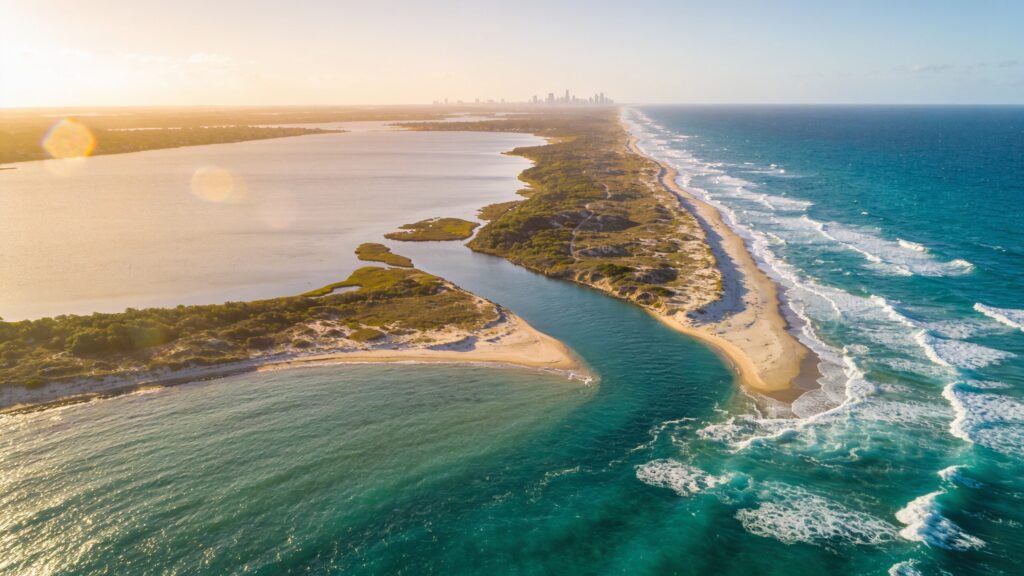
Fort De Soto Park, located on a series of islands at the mouth of Tampa Bay near Tierra Verde, is worth calling out separately. It has a genuine beach, calm waters, and a top-rated campground. The National Wildlife Federation rated it one of the best beaches in the country, and it draws far fewer crowds than Clearwater. This is technically Tampa Bay-adjacent water, but the park sits where bay water meets Gulf influence, so the water quality is far better than the inner bay.
Key Takeaways
Tampa the city is a place to eat, explore museums, watch sports, and enjoy the bay waterfront from a distance. The Gulf-facing barrier island beaches are where you go to swim, sunbathe, and do everything that “beach vacation” implies in most people’s minds. They are distinct destinations that happen to share a metro area.
If you are planning a trip and beach time is the priority, target Clearwater Beach for energy and amenities, St. Pete Beach for a quieter adult trip, or Pass-a-Grille if you want the beach to yourself.
Plan accordingly, and the Tampa Bay area will absolutely deliver on the beach experience.